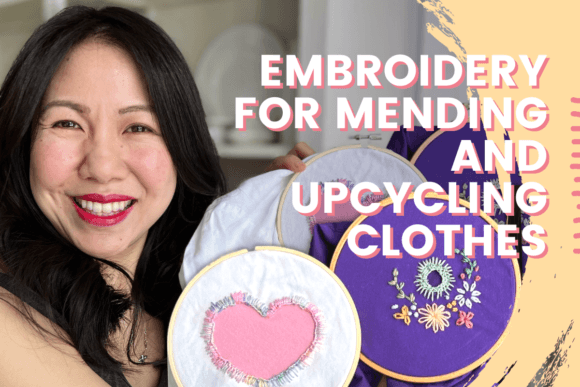
Embroidery for Mending and Upcycling Clothes
As a designer who spends half my life staring at digitized files and the other half troubleshooting tension issues on the sewing machine, I have learned to be skeptical of any product that promises to "breathe new life" into old things. We have all been there: holding a beloved garment with a small tear or a faded stain, wondering if it deserves to go into the recycling bin or if it can be saved. This is where Embroidery for Mending and Upcycling Clothes steps in, not just as a decorative add-on, but as a functional design solution. In this review, I am evaluating this class from the perspective of a professional looking to integrate these techniques into real-world projects, whether for personal use, client work, or small business merchandise.
The First Impression: Mood and Visual Personality
When you first look at the designs featured in this class, the immediate takeaway is their organic, restorative nature. Unlike standard machine embroidery designs that often feel like static logos slapped onto fabric, these patterns are designed to mimic repair. The visual personality is warm, inviting, and slightly rustic. It creates a mood of care and intentionality.
From a design standpoint, the shapes tend to rely heavily on natural motifs—floral vines, leaves, and simple geometric mends—that cover imperfections without drawing excessive attention to them. This is crucial. If you are using an embroidery file to hide a hole in a vintage denim jacket, the design needs to look like it belongs there, not like a bandage. The layout feels balanced, avoiding overly dense clusters that might pucker thin fabrics while still providing enough coverage to mask underlying flaws. For an Etsy seller or craft business owner, this aesthetic is gold. It taps into the growing consumer desire for sustainability and unique, handmade products that tell a story.
Real-World Application: From Scrap Fabric to Boutique Product
Let’s talk about how this translates to actual production. Imagine you are preparing a custom embroidered tote bag for a holiday gift. You find a canvas bag with a minor seam split near the handle. Instead of ignoring it, you apply a technique from this class. The resulting handmade product doesn’t just fix the bag; it elevates it. The customer receives a personalized gift that feels curated and thoughtful, significantly increasing the perceived value compared to a plain, store-bought item.
I also tested the versatility of these designs on different substrates. While the primary focus is clothing, the principles hold up well on kitchen towels, aprons, and even pillow covers. For instance, using a floral mend design on a stained tea towel transforms a discardable item into a charming piece of nursery decor or kitchen accent. The stitch work, typically a mix of satin stitch for outlines and fill stitch for texture, holds up beautifully against the wear and tear associated with household linens.
For those selling custom apparel, consider the sweatshirt market. A faded graphic tee or a thrifted sweatshirt with a small hole in the elbow area becomes a high-value upcycled piece when repaired with intricate embroidery. This approach allows you to source low-cost raw materials and sell finished items at a premium price point, provided the execution is clean. The key here is consistency. When every repair looks intentional, your brand signals professionalism and trust.
Where Caution Is Required
However, not every surface is created equal. There are specific scenarios where Embroidery for Mending and Upcycling Clothes requires careful consideration. First, avoid placing dense designs on highly textured fabrics like chunky knits or bouclé unless you have significant experience stabilizing such materials. The needle penetration can become inconsistent, leading to skipped stitches.
Similarly, be cautious with stretchy fabrics. While jersey and spandex blends are popular for activewear, they require specialized stabilizers and potentially a ballpoint needle to prevent distortion. If you attempt to embroider a complex mend design on a thin, sheer fabric without proper backing, the result will likely be puckered and unprofessional. Additionally, curved surfaces like caps or hats present a challenge. While possible, achieving a flat, crisp finish on a curved brim demands precision in hooping and possibly repositioning the hoop during stitching. Always test on scrap fabric first to gauge how the design interacts with the specific fabric texture you are working with.
Technical Notes for the Discerning Designer
Before integrating these designs into your commercial workflow, there are several technical checks you must perform. As a reviewer, I cannot stress enough the importance of reviewing the stitch density. Designs intended for mending often need to be sturdy enough to cover holes, but if the density is too high, it may stiffen the garment excessively, making it uncomfortable to wear. Check the balance between running stitch details and solid fills.
Thread color contrast is another critical factor. A mend design that relies on subtle tonal variations might get lost on dark fabric or appear harsh on light backgrounds. I recommend testing your chosen thread colors against both light and dark fabric backgrounds. Sometimes, a slight adjustment in thread choice can make the difference between a design that looks like a repair and one that looks like a decoration. Also, inspect small details closely. If your machine struggles with tiny satin stitches, those delicate flower centers may clump together, ruining the overall clarity of the design.
Furthermore, confirm whether the design works for both personal and commercial embroidery projects. Licensing terms vary widely, and assuming you can sell finished goods made from a digital purchase is a common pitfall. Ensure you have the right to produce and sell physical items derived from the digital embroidery file. If you are creating design assets or printable mockups for clients, double-check the redistribution rights as well.
Final Verdict: Value and Engagement
In conclusion, this class offers more than just patterns; it offers a philosophy of creative reuse that resonates deeply with today’s market. For the small shop product creator, it provides a unique angle that differentiates your offerings from mass-produced alternatives. Buyers are increasingly drawn to brands that emphasize sustainability and craftsmanship. By mastering the art of visible mending, you are not just selling a repaired garment; you are selling a narrative of preservation and beauty.
The visual appeal of these designs enhances buyer engagement because they invite interaction. Customers love seeing the "before and after" of an upcycling project. It showcases the skill involved and justifies the price point of your finished product. Whether you are creating holiday embroidery gifts, wedding gifts for couples who appreciate vintage aesthetics, or everyday personalized products, the techniques learned here are versatile and impactful.
To ensure success, always use a proper stabilizer matched to your fabric weight. Test the design in black and white mockups to check contrast levels before committing to expensive threads. And remember, practice makes perfect. Start with inexpensive scraps to refine your tension settings and hooping techniques. With patience and attention to detail, Embroidery for Mending and Upcycling Clothes can become a cornerstone of your creative portfolio, allowing you to turn potential waste into wearable art.
- Test on Scraps: Always run a trial stitch-out on fabric similar to your final project.
- Check Contrast: Ensure thread colors stand out appropriately against the base fabric.
- Verify Licensing: Confirm commercial rights before selling finished upcycled items.
- Use Stabilizers: Match the stabilizer type to the fabric weight to prevent puckering.
- Inspect Details: Zoom in on digitized files to ensure small elements will stitch cleanly.
By approaching embroidery with this mindset of restoration and creativity, you elevate your craft from simple decoration to meaningful design. This class is a valuable resource for anyone looking to expand their skills in sustainable fashion and apparel decorating.