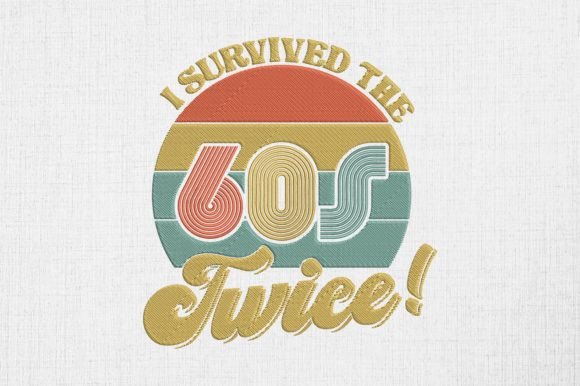
I Survived the 60s Twice Retro Hippie
When I first laid eyes on I Survived the 60s Twice Retro Hippie, I immediately thought about my next weekend craft fair booth. As an experienced embroidery designer, I know that a design needs more than just a cute slogan; it needs to stop a passerby in their tracks and make them smile. This piece fits perfectly into the Boho aesthetic while offering a humorous edge that appeals to everyone from Gen X baby boomers to younger retro enthusiasts. It is exactly the kind of statement piece that elevates a simple handmade product into a conversation starter.
The First Impression: Bold, Funny, and Perfectly Vintage
The title alone carries a lot of weight. It suggests resilience, nostalgia, and a bit of rebellion. In a market saturated with generic floral patterns or standard farmhouse quotes, I Survived the 60s Twice Retro Hippie stands out because it tells a story. The "Retro Hippie" element implies a specific color palette and vibe that feels soft yet vibrant. When I imagine this design embroidered on a natural linen tote bag or a cream-colored tea towel, it looks premium rather than mass-produced. It balances the playful nature of a joke with the sophistication of a well-executed machine embroidery design.
This design is not minimal, but it isn't overly cluttered either. It strikes a balance that works beautifully for both large focal designs and smaller accent placements. For a boutique maker looking to create a cohesive collection, this phrase offers a strong brand identity that customers will recognize instantly.
Product Potential: Where This Design Shines
Preparing for a craft fair requires selecting products that are practical to ship, easy to display, and highly desirable. Here is how I Survived the 60s Twice Retro Hippie performs across various handmade product categories:
- Tote Bags and Market Bags: This is arguably the strongest application. A canvas tote featuring this design becomes an instant accessory. The text reads clearly on the front pocket or the center panel, making it a perfect tote bag design for shoppers who want to carry a bit of attitude with them.
- Apron Embroidery: Kitchen wear is huge at craft fairs. Placing this on a denim or canvas apron adds a touch of humor to home cooking. It transforms a utilitarian item into a giftable apron embroidery piece that people love to buy for themselves or as housewarming gifts.
- Tea Towel Embroidery: Cotton dish towels provide a great texture for stitching. The contrast between the fabric weave and the thread makes the design pop. It serves as excellent tea towel embroidery that hangs nicely on a display rack, catching the light and drawing attention from across the aisle.
- Embroidered Patches: If you have the right stabilizer setup, this could be cut out and sold as a sew-on patch. This allows customers to add the sentiment to hats, jackets, or bags they already own, expanding your reach beyond just selling finished goods.
- Pillow Covers and Home Decor: For a softer approach, placing this on a throw pillow creates a cozy, boho-chic living room accent. It fits the Boho category perfectly, adding character to a neutral sofa or bed.
- Caps and Small Pouches: While caps can be tricky due to curvature, this design has enough visual weight to work if sized correctly. Similarly, small fabric pouches for cosmetics or keys offer a low-cost entry point for buyers at a lower price point.
Photography and Online Sales Strategy
As an Etsy seller, I know that digital marketing relies heavily on visuals. I Survived the 60s Twice Retro Hippie photographs exceptionally well because of its bold lettering and implied vintage colors. When creating a printable mockup for your Etsy listing, ensure you show the design on different fabric textures to help customers visualize the final result. A high-resolution photo of the stitching detail proves quality and builds trust.
This design is also repeatable, which is crucial for batch production. You can create a series of items where this phrase is the anchor, perhaps pairing it with other retro motifs like peace signs or sunbursts. This consistency strengthens your booth display and helps build a recognizable brand presence. Whether you are selling a small shop product or scaling up to a larger commercial embroidery operation, the versatility here is undeniable.
Production Realities and Practical Tips
While the concept is strong, the execution determines whether you make a profit or waste time. Before running a full production run, I always advise testing the design thoroughly. Here are some critical considerations for I Survived the 60s Twice Retro Hippie:
- Stitch Density and Details: Check the density of the lettering. If the font is too thin or the spacing too tight, the stitches might merge on thinner fabrics. Ensure the stitch density is appropriate for the material you are using. Dense areas can cause puckering if not stabilized correctly.
- Hoop Size and Spacing: Confirm the hoop size required for the design. If you plan to embroider on a cap, you will need a curved hoop or a specific cap frame. Always verify that the design fits within the printable area of your chosen garment without hitting seams or zippers.
- Thread Contrast: The visual impact depends heavily on thread colors. On dark fabric, use bright, vibrant threads to ensure the text is legible. On light fabric, consider using slightly muted tones to match the retro hippie vibe. Never assume a single thread color works for all products.
- Fabric Texture: Textured towels or thick denim may hide fine details. Test on scrap fabric first to see how the fabric texture interacts with the embroidery file. If the design loses clarity, you may need to adjust the digitization or choose a smoother fabric.
- Stabilizer Selection: Using the wrong stabilizer is a common mistake. For stretchy fabrics like t-shirts, a tear-away or cut-away stabilizer is essential to prevent distortion. For stable items like pillow covers, a lighter weight might suffice.
Final Thoughts for the Creative Entrepreneur
I Survived the 60s Twice Retro Hippie is more than just a design; it is a mood. It captures a specific era and attitude that resonates deeply with consumers looking for unique, handmade gifts. By understanding the nuances of production—from checking thread colors to inspecting stitch density—you can turn this digital asset into a best-selling physical product.
Remember to review the commercial licensing terms before selling finished items. Ensure you have the rights to use this digital embroidery file for commercial purposes. Once you have confirmed those details, create a few real mockups to test your workflow. With the right preparation, this design will not only sell at your craft fair booth but also become a staple in your online store, driving engagement and sales for your handmade business.