Petroglyph Two: A Designer's Take on Ancient Symbol Embroidery
When I first opened the Petroglyph Two file, my immediate reaction wasn't about stitch counts or file formats. It was about the mood. There is a specific energy to ancient symbols that feels grounded, mysterious, and timeless. In a market saturated with floral motifs and modern geometric lines, this design stands out because it taps into that primal sense of history. As an experienced designer who has tested countless digital assets for real-world client projects, I approached Petroglyph Two with a critical eye. Could this symbol actually hold up under the tension of a sewing machine needle? Would it translate well from a screen preview to a physical piece of fabric?
The First Stitch: Visual Personality and Mood
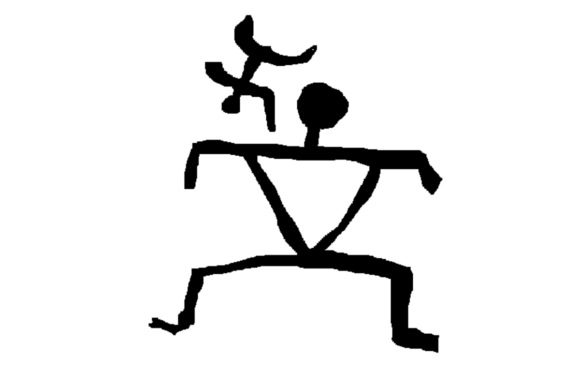
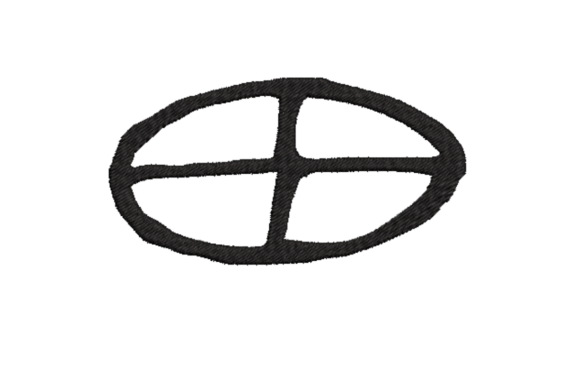
The visual personality of Petroglyph Two is distinctively bold yet intricate. It belongs naturally to the Shapes category, but it transcends simple geometry. The design evokes a historical aesthetic that works beautifully for brands focusing on heritage, nature, spirituality, or artisanal craftsmanship. Unlike generic clip art, this symbol carries a weight that suggests durability and permanence. When you look at the layout, the balance between open space and filled areas is thoughtful. This isn't just a random collection of lines; it feels like a deliberate composition designed to anchor a project.
For a creative entrepreneur or Etsy seller, this is the kind of asset that elevates a product line. Imagine placing this symbol on a canvas tote bag or a linen apron. It immediately signals quality and intentionality. The design doesn't scream for attention; instead, it invites the viewer to lean in closer. That subtle confidence is rare in digital embroidery files, and it makes Petroglyph Two a strong contender for boutique branding where subtlety often sells better than flashiness.
Real-World Application: From Screen to Stitches
I recently put Petroglyph Two through its paces while preparing a custom order for a small batch of holiday gifts. The goal was to create personalized embroidered patches for a local craft fair booth. I selected a heavy cotton duck fabric for the base, knowing that the texture would complement the ancient feel of the symbol. The result was striking. The design held its shape perfectly without excessive puckering, which is often a nightmare when working with dense fill stitches.
This versatility extends far beyond patches. For those looking to expand their custom apparel offerings, this design fits seamlessly onto sweatshirts, t-shirts, and baby onesies. On a dark hoodie, using a high-contrast thread color like cream or gold, the symbol pops with a rugged elegance. However, I found it particularly effective on softer, natural fabrics like unbleached muslin or organic cotton. The historical vibe pairs exceptionally well with earth tones, creating a cohesive look that customers find appealing for nursery decor or baby items.
Consider the potential for kitchen textiles as well. An embroidered tea towel featuring Petroglyph Two adds a touch of rustic charm to any home. It transforms a utilitarian item into a decorative piece that feels curated rather than mass-produced. Similarly, for those making pillow covers or blankets, the symbol serves as a perfect focal point. It anchors the design without overwhelming the surrounding elements, allowing other textures and patterns to shine alongside it.
Navigating Challenges: Where to Use Caution
While Petroglyph Two is robust, no single design is a magic bullet for every situation. As a professional reviewer, I must highlight where this design requires careful planning. If you are working with a small hoop size, pay close attention to the finer details within the symbol. While the overall shape is clear, the internal intricacies might get lost if the scale is too small. Always test the design on scrap fabric before committing to your final product to ensure the details remain legible.
Fabric choice is another critical factor. Textured fabrics can sometimes obscure the definition of the symbol, especially if the texture is coarse. Thin or stretchy fabrics present their own challenges; without proper stabilization, the density of the fill stitches could cause the fabric to warp. For curved surfaces like caps or hats, the flat nature of the design might require significant digitizing adjustments to conform to the curve, or it may appear distorted if not carefully positioned. Additionally, on very dark fabrics, light thread colors might struggle to show up unless you use a high-density underlay or a contrasting background patch.
If you are planning to wash these items frequently, such as baby clothes or work aprons, inspect the stitch density. Dense areas can sometimes trap lint or become stiff after multiple washes. It is essential to choose threads that are durable and compatible with the fabric type to maintain the integrity of the finished product over time.
Impact on Brand Value and Customer Trust
In the world of handmade products and craft business, presentation is everything. A well-executed embroidery design builds customer trust. When a buyer sees a clean, precise application of Petroglyph Two, they perceive the maker as skilled and attentive. This perception directly influences the perceived value of the item. A tote bag with a crisp, centered symbol commands a higher price point than one with loose threads or misaligned stitching.
The design also enhances giftability. People love items that tell a story, and the ancient symbolism of Petroglyph Two provides a narrative hook. It makes the product feel special and unique, which is crucial for holiday gifts or personalized presents. For commercial embroidery projects, consistency is key. Using a high-quality design like this helps maintain brand consistency across different products, reinforcing your shop's identity whether it appears on a digital mockup or a physical garment.
Practical Designer Notes for Success
Before you start stitching, there are several technical steps you should take to ensure success. First, always test the design on scrap fabric that matches your intended project material. This allows you to check thread color contrast and review the stitch density in a low-risk environment. Confirming the appropriate hoop size is vital; if the design is too large for your machine's hoop, you will need to split the file or adjust the placement strategy.
Don't forget to inspect small details closely. Sometimes, what looks perfect on a monitor can reveal tiny gaps or overlaps once stitched. Testing in black and white mockups can help you visualize how the design will look against different backgrounds before you commit to specific thread colors. Comparing light and dark fabric backgrounds is also smart practice to ensure the symbol remains visible and impactful.
Using the right stabilizer is non-negotiable for achieving a professional finish. Whether you are using cut-away or tear-away, the stability provided by the backing will determine the longevity of the embroidery. Furthermore, verify the licensing terms before selling finished items or digital products. Ensure that the file includes the necessary formats for your specific machine and that you have the rights to use the design commercially.
Petroglyph Two is more than just a digital file; it is a versatile tool for creators who want to infuse their work with depth and character. By understanding its strengths and respecting its limitations, you can produce high-quality embroidery projects that resonate with buyers and stand the test of time. Whether you are an Etsy seller looking to refresh your inventory or a hobbyist making a personal gift, this design offers a solid foundation for your next creative endeavor.