Reviewing the Embroidery Digitizing, Embroidery Pattern
As a designer who spends more time looking at stitch lines than actual fabric, I approach every new embroidery digitizing file with a mix of optimism and skepticism. The market is flooded with generic assets, but finding a piece that truly elevates a handmade product is rare. Recently, I examined the Embroidery Digitizing, Embroidery Pattern, specifically focusing on its potential for real-world application in my craft business and client projects. This isn’t just about whether it stitches out cleanly; it’s about whether it sells, whether it looks professional, and whether it holds up to the wear and tear of daily life.
First Impressions: Elegance Meets Practicality
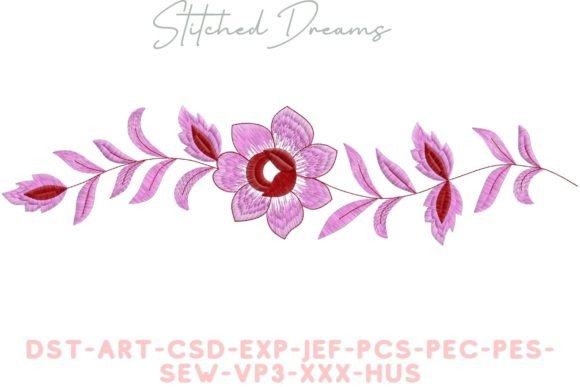
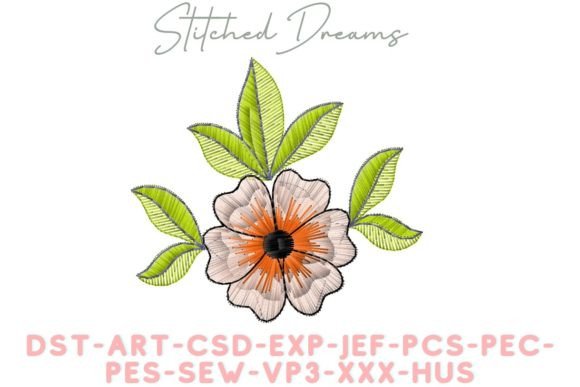
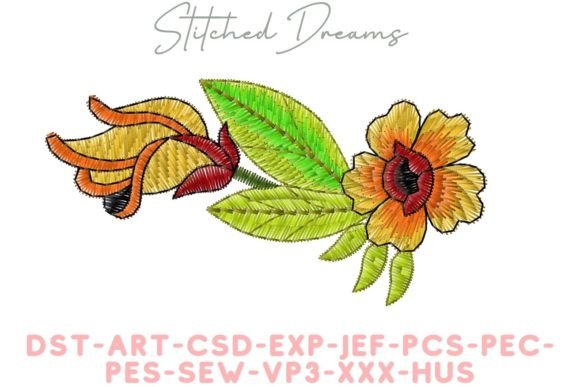
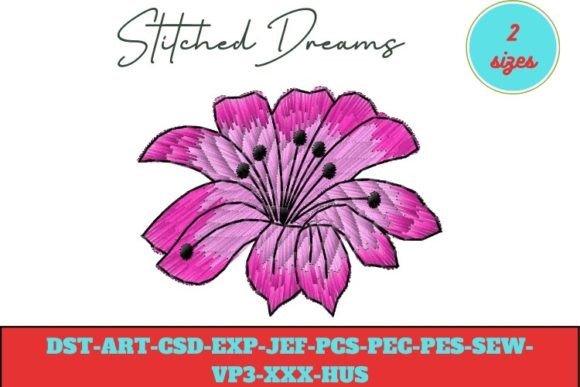
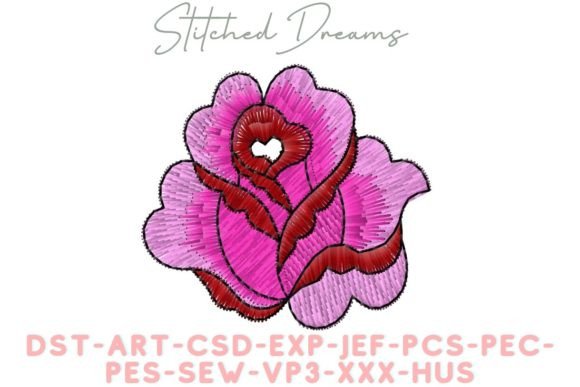
The moment you load this embroidery pattern into your software, the visual personality of the design speaks volumes. It captures the natural beauty of delicate floral elements without feeling cluttered or overly complex. For an exquisite flower digital embroidery design, the balance between detail and simplicity is crucial. If it is too dense, it becomes heavy and stiff; if it is too sparse, it lacks character.
This particular design strikes a sophisticated chord. It feels elegant, making it immediately suitable for high-end custom apparel or boutique branding. The intricate craftsmanship suggests a higher perceived value for the finished item. When I first previewed the layout, I imagined it not just as a decoration, but as a focal point. It has a visual weight that commands attention without overwhelming the garment. This is exactly what an Etsy seller or small shop owner needs: a design that looks expensive but is efficient to produce.
Real-World Application: From Tote Bags to Nursery Decor
To truly judge a machine embroidery design, you have to imagine it on the end product. I ran several mental scenarios based on my current project pipeline, and the versatility of this embroidery file became apparent quickly.
- Custom Tote Bags: A large, centered placement on a canvas tote creates a stunning statement piece. The floral motif adds a soft, organic touch to the sturdy fabric, making it perfect for everyday carry items. It transforms a basic accessory into a handmade product that stands out at craft fairs.
- Baby Items: The delicate nature of the flowers makes this ideal for baby embroidery. Think onesies, muslin blankets, or nursery wall hangings. Parents are often looking for items that feel gentle and timeless, and this design delivers that aesthetic. It works beautifully as a personalized gift for baby showers.
- Holiday Gifts: During the holiday season, floral designs can be adapted for winter themes or used year-round. This pattern fits well on kitchen towels, aprons, and pillow covers. It adds a touch of warmth to holiday embroidery collections, appealing to buyers looking for cozy, home-focused decor.
- Apparel and Caps: For sweatshirt embroidery or cap patches, the design scales down effectively. It maintains its clarity even in smaller hoop sizes, which is a testament to good digitizing. It works well as a chest logo on jackets or as a central motif on beanies.
In each of these scenarios, the design enhances the finished product by adding a layer of professionalism. It signals to the buyer that care was taken in the creation process, which builds trust and encourages repeat purchases.
Technical Performance and Stitch Quality
From a technical standpoint, the digitization shows thoughtful consideration for the stitching process. The use of satin stitch for outlines and fill stitch for petals appears balanced, ensuring that the fabric doesn’t pucker excessively. However, as with any digital embroidery file, the success of the final output depends heavily on execution.
The stitch density seems appropriate for most standard fabrics. It is not so light that it looks unfinished, nor so heavy that it restricts the fabric’s drape. This is particularly important for commercial embroidery where consistency across multiple units is key. If you are producing bulk orders for a craft business, knowing that the design will stitch reliably saves time and reduces waste.
I also noted the handling of negative space. The design allows the fabric texture to show through in strategic areas, which adds depth and dimension. This is a hallmark of advanced design assets that go beyond basic clip-art style embroidery. It invites the viewer to look closer, appreciating the interplay between thread and material.
Where Caution Is Required
While this design is versatile, there are specific contexts where it requires careful handling. It is not a one-size-fits-all solution.
- Small Hoop Sizes: While it scales well, extremely small placements may lose some of the finer details. Always inspect the design at the intended size before committing to production.
- Textured or Stretchy Fabrics: On highly textured materials like chunky knits or stretchy jersey, the precision of the floral details might get lost. Use a proper stabilizer to support the fabric and prevent distortion.
- Dense Stitch Areas: If placed over seams or layered garments, the added thickness could be uncomfortable or cause puckering. Test on scrap fabric first to assess the hand-feel.
- Dark Fabric Backgrounds: Ensure your thread colors provide sufficient contrast. Light florals on dark backgrounds may require underlay stitches to pop, which adds to the stitch count and production time.
Design Notes for the Professional Maker
Before incorporating this embroidery project into your catalog, I recommend taking a few practical steps to ensure success.
- Test on Scrap Fabric: Never assume a design will work perfectly on your target material. Run a test stitch-out to check for tension issues, thread breaks, or alignment problems.
- Check Thread Color Contrast: Preview the design with different thread palettes. Some colors may blend too much with certain fabrics, reducing visual impact.
- Review Stitch Density: Zoom in on the digitized file to inspect small details. Ensure that tiny elements are robust enough to withstand washing and wearing.
- Confirm Licensing: Since this falls under the Freebies category, verify the specific usage rights. Even free files often have restrictions on commercial resale. Confirm whether you can sell the finished physical items or if the license is limited to personal use.
- Create Printable Mockups: Before investing in materials, create digital mockups to see how the design looks on various products. This helps in marketing and setting customer expectations.
Final Verdict
The Embroidery Digitizing, Embroidery Pattern is a strong addition to any designer’s library. Its elegant floral theme and clean execution make it suitable for a wide range of applications, from personalized gifts to small shop products. It offers the visual appeal needed to attract customers while maintaining the technical reliability required for efficient production.
For creative entrepreneurs and makers looking to add a touch of sophistication to their offerings, this design delivers. It is not just a decorative element; it is a tool for enhancing brand identity and customer satisfaction. By testing it thoroughly and applying it thoughtfully, you can create handmade products that resonate with buyers and stand the test of time. Whether you are decorating a tote bag for a summer festival or crafting a nursery decor piece for a newborn, this pattern provides a reliable foundation for excellence.