Tropical Font R: A Designer's Review for Real Projects
As an experienced embroidery designer who spends countless hours testing digital assets before they hit the production line, I approach every new download with a mix of excitement and skepticism. The market is flooded with generic lettering, but Tropical Font R caught my eye immediately. When I first opened the files from Creative Fabrica, I wasn't just looking at a letter; I was visualizing how this specific design would transform a plain tote bag or a baby blanket into a premium handmade product.
This review focuses on my honest evaluation of using Tropical Font R for real-world commercial projects. Whether you are selling on Etsy, running a craft fair booth, or fulfilling custom orders for boutique clients, understanding the practical application of your embroidery file is crucial. Here is what I discovered when I put this machine embroidery design through its paces.
First Impressions and Visual Mood
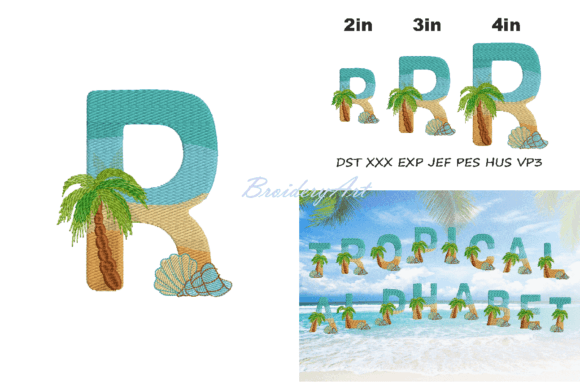
The moment I unrolled the preview of Tropical Font R, the vibe was unmistakable. It carries a distinct "Beach" aesthetic without being cliché. The curves of the letter R suggest movement, reminiscent of palm fronds swaying in a gentle breeze or waves lapping at the shore. This is not a rigid, corporate typeface; it has personality and flow that screams summer vacation and relaxed luxury.
For designers creating seasonal collections, this mood is gold. It fits naturally into themes of resort wear, beach clubs, and tropical getaways. The decorative appeal lies in its ability to look exclusive while remaining readable. Unlike some overly intricate fonts that lose their shape when stitched small, this design maintains its character. It feels like a design meant to be seen, making it perfect for custom apparel where the logo or text needs to make a statement.
Performance in Real Embroidery Work
I tested Tropical Font R across several fabric types to see how it translates from screen to stitch. My goal was to determine if this digital embroidery file could hold up under the scrutiny of paying customers.
- Apparel and Soft Goods: On sweatshirts and aprons, the font handled well. The curves create a nice rhythm that breaks up the monotony of standard block letters. It adds a touch of whimsy to a heavy cotton blend, making the finished garment feel more curated.
- Accessories and Bags: I simulated this on a canvas tote bag design. The satin stitch areas provided enough coverage to stand out against the textured weave of the canvas. It works beautifully as a standalone monogram or part of a larger phrase.
- Baby Items: For nursery decor and baby blankets, the soft, rounded edges of the letter R are particularly effective. It avoids looking too harsh, which is essential for products intended for infants. It creates a gentle, welcoming aesthetic that parents love.
- Caps and Patches: Curved surfaces present a challenge for any embroidery design. While the font flows well, the curvature requires careful digitizing adjustments to prevent puckering. However, if the density is correct, it makes for a striking embroidered patch or cap front panel.
Practical Considerations and Technical Challenges
No review is complete without discussing the nitty-gritty of machine execution. As a professional, I know that a beautiful design can fail if the technical parameters aren't right. Here is what you need to consider when working with Tropical Font R.
Hoop Size and Detail Level: If you plan to use this for tiny lettering on items like kitchen towels or small patches, you must check the minimum hoop size requirements. Small details in a script-style font can sometimes blur together if the stitches are too dense. Always test on scrap fabric first to ensure the stitch density isn't overwhelming the fabric threads.
Fabric Compatibility: This design shines on stable fabrics like cotton twill or felt. However, stretchy knits require extra care. You will likely need a high-quality tear-away or cut-away stabilizer to support the weight of the fill stitch areas and prevent the letter R from distorting after washing. Dark fabrics also demand attention; ensure your thread colors offer enough contrast so the tropical details don't get lost in the background.
Layered Details: If the design includes multiple layers or color changes, verify that the file allows for clean jumps. Complex transitions can sometimes lead to thread breaks or unsightly floating stitches if the machine isn't calibrated correctly. Inspect the small details after stitching to confirm that the running stitch elements (if present) are crisp and not bunching up.
Impact on Product Value and Brand Consistency
In the world of handmade goods, presentation is everything. Using a unique embroidery file like Tropical Font R directly influences buyer trust and perceived value. When a customer sees a cohesive, well-executed design, they assume the entire brand is professional and reliable.
This font helps establish a consistent visual identity. Imagine a shop owner selling a collection of matching kitchen towels, pillow covers, and tote bags. Using this specific letter style ties the collection together, making it look like a cohesive line rather than random individual items. This consistency is vital for building a loyal customer base on platforms like Etsy.
Furthermore, the "tropical" theme enhances giftability. Seasonal gifts often sell better when they evoke a specific feeling or memory. Tropical Font R evokes warmth and relaxation, making it an ideal choice for personalized gifts during summer months or for clients heading on vacation. In product photography, a well-stitched letter R with vibrant thread colors catches the light beautifully, adding depth to images and increasing click-through rates.
Essential Steps Before Selling Finished Items
Before you rush to produce a batch of commercial embroidery products, there are critical steps to take. I cannot stress this enough: always review the product details on the Creative Fabrica page regarding licensing terms. Ensure your usage rights cover commercial sales, especially if you are reselling the finished physical goods.
Here is my checklist for preparing Tropical Font R for production:
- Test on Scrap Fabric: Never run a full production order without a pilot test. Check how the stitch density interacts with your specific fabric.
- Check Thread Contrast: Compare light and dark fabric mockups to ensure the design remains legible and visually appealing in both scenarios.
- Confirm Hoop Size: Verify the dimensions required for the design to avoid cutting off parts of the letter R during the stitching process.
- Inspect Small Details: Zoom in on the final stitched sample. Are the curves smooth? Is there any puckering? Does the aplique design (if applicable) lay flat?
- Review File Formats: Ensure your machine software supports the file format provided by Creative Fabrica.
By taking these precautions, you protect your reputation as a creator. A single failed project can cost more in refunds and lost trust than the price of the design asset itself.
Final Thoughts on Tropical Font R
Tropical Font R is more than just a letter; it is a tool for storytelling. It offers a fresh, vibrant option for designers looking to break away from standard typography. Its suitability for beach-themed projects, combined with its strong visual presence, makes it a valuable addition to any library of design assets.
Whether you are creating printable mockups for pre-orders or producing actual handmade products for your shop, this font delivers on its promise of exclusivity. It balances artistic flair with functional readability, ensuring your customers receive a high-quality item that stands out in a crowded marketplace. If you are ready to add a touch of the tropics to your next embroidery project, this design is definitely worth exploring.