Fairy and Butterfly: A Designer's Real-World Review
As someone who spends more time than I care to admit tweaking stitch density and testing stabilizers, I approach every new machine embroidery design with a mix of excitement and skepticism. We have all seen the glossy product photos that promise perfection, only to find the final result puckered or lacking detail when stitched on actual fabric. Today, I am putting Fairy and Butterfly through its paces. This piece falls under the Fairy Tales category, but does it deliver the elegance and functionality required for serious embroidery projects? After running this embroidery file through various scenarios, from delicate baby garments to sturdy tote bags, here is my honest assessment.
The First Impression: Mood and Visual Personality
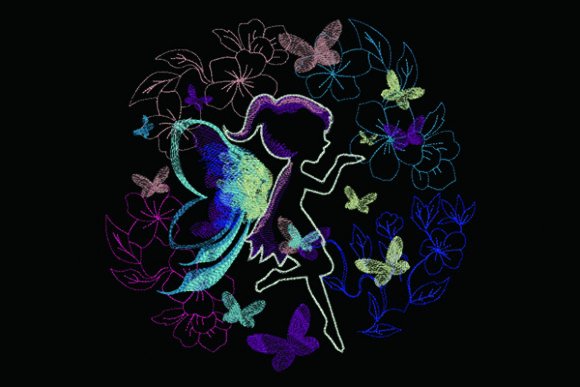
When you first load Fairy and Butterfly, the immediate feeling is one of whimsy without chaos. The layout balances the delicate nature of a fairy figure with the organic flow of butterfly wings, creating a composition that feels both magical and grounded. For a designer looking for a digital embroidery file that can elevate a simple item into a boutique-quality piece, this design hits the right notes. It avoids the overly cluttered look that often plagues fantasy-themed designs, instead relying on clean lines and strategic use of negative space.
The visual personality is soft yet distinct. It screams "handmade gift" rather than mass-produced merchandise. When I imagine this stitched onto a white cotton pillow cover or a pastel onesie, the mood shifts instantly to something cozy and enchanting. It is not just a graphic; it is a narrative element that invites the viewer to lean in closer. This makes it an excellent candidate for personalized gifts where emotional connection matters more than sheer complexity.
Real-World Performance: From Tote Bags to Nursery Decor
I decided to test Fairy and Butterfly in three distinct environments to see how it holds up in real-life situations. My goal was to determine if this design could genuinely serve as a versatile asset for a small business owner or a dedicated crafter.
- The Custom Tote Bag: I started with a heavy canvas tote bag. The design needs enough weight to stand out against the thick texture of the fabric. Using a cut-away stabilizer was crucial here. The satin stitch areas held their shape beautifully, providing a smooth, lustrous finish that contrasted nicely with the rough weave of the canvas. This is a strong contender for a tote bag design intended for an Etsy shop or craft fair booth. Customers will appreciate the tactile quality.
- Baby Embroidery: Next, I moved to a softer, knit fabric for a baby sweatshirt. Here, the stitch density proved to be a major advantage. Because the design is not overly dense, it remained flexible and comfortable against delicate skin. The running stitch details added a lovely touch of movement to the wings without making the fabric stiff. It creates a gentle aesthetic perfect for holiday embroidery or nursery decor.
- The Embroidered Patch: Finally, I tested it as a potential embroidered patch for denim jackets. The clear separation between the fairy and the butterfly allows for a clean edge if you decide to add a border later. The colors pop well, suggesting that even with a limited thread palette, the design retains its charm.
In each scenario, Fairy and Butterfly demonstrated that it is more than just a decorative element; it is a functional component of a larger finished product. Whether you are an apparel decorator or a creative entrepreneur selling digital assets, this design offers a high return on investment regarding customer satisfaction.
Where to Use Caution: Fabric and Surface Limitations
No design is universally perfect, and understanding the limitations of Fairy and Butterfly is key to maintaining professional standards. While it performs admirably on stable fabrics, there are specific contexts where caution is required.
Small Hoop Sizes: If you are working with a 4x4 hoop, you must check the dimensions carefully. If the design is too large for the hoop, the registration might shift, ruining the alignment of the fairy and the butterfly. Always confirm the hoop size requirements before committing to a production run.
Textured and Stretchy Fabrics: On highly textured fabrics like terry cloth or very stretchy knits, the design may distort if the proper stabilizer is not used. The intricate details in the wings could get lost in the fabric's texture. Similarly, on dark fabrics, the thread color contrast becomes critical. Without careful selection of thread colors, the subtle details might disappear into the background.
Curved Surfaces: While it works well on flat items like aprons or tea towels, applying this to a curved surface like a cap requires advanced skills. The distortion inherent in embroidering on a curve can alter the proportions of the fairy figure. For commercial embroidery on caps, a test run is non-negotiable.
Dense Stitch Areas: If you plan to layer this design over other elements, be mindful of the stitch density. Too many layers can make the fabric rigid and prone to tearing, especially on thin materials. Always inspect the small details to ensure they remain crisp and do not merge together during stitching.
Impact on Brand Value and Customer Trust
For those of us building a brand, the quality of our design assets directly influences buyer engagement and trust. A poorly executed embroidery project can lead to returns and damaged reputations, whereas a well-executed one builds loyalty. Fairy and Butterfly contributes significantly to a professional presentation. Its elegant and gorgeous appearance elevates the perceived value of the item, whether it is a small shop product or a custom order.
When a customer receives a handmade product featuring this design, they immediately recognize the effort put into the applique design or the machine work. It signals that the maker cares about details. This perception is vital for Etsy sellers and handmade shop owners who rely on word-of-mouth and visual appeal to drive sales. The design’s versatility also allows for consistent branding across different products, from kitchen towels to wedding gifts.
Practical Notes for the Professional Designer
Before you integrate Fairy and Butterfly into your workflow, consider these practical steps to ensure success. Do not skip the testing phase, regardless of how confident you feel in the file.
- Test on Scrap Fabric: Always run a test on a scrap piece of the same material you intend to use. This reveals how the fabric reacts to the fill stitch and helps you adjust tension if necessary.
- Check Thread Contrast: Compare light and dark fabric backgrounds to ensure the design remains visible. The beauty of the fairy theme relies on the visibility of fine details.
- Review Stabilizer Choice: Ensure you are using the correct type of stabilizer (cut-away vs. tear-away) based on the fabric weight. This is the difference between a crisp custom apparel item and a wrinkled mess.
- Licensing and Commercial Use: Confirm licensing terms before selling finished items or digital products. Verify if the embroidery file allows for commercial use in your specific business model.
- Mockup Testing: Create printable mockups in black and white to evaluate the composition and balance of the design independent of color distractions.
Fairy and Butterfly stands out as a reliable, high-quality option for designers seeking a blend of whimsy and professionalism. It is fun and easy to stitch, yet it delivers a result that looks expensive and thoughtful. By understanding its strengths and respecting its limitations, you can create stunning handmade products that resonate with customers. Whether you are crafting a single gift or scaling up for a boutique collection, this design provides a solid foundation for your next creative venture.