Tiger Cub: A Designer's Review for Craft Fair Success
As an experienced embroidery designer who spends weekends prepping booths and weekdays refining digital files, I know that the difference between a design that sits in a folder and one that sells out of your booth often comes down to practical application. Today, I am reviewing the Tiger Cub, a machine embroidery design categorized under Baby Animals. This piece is marketed as a way to decorate towels and blankets for kids or anyone who loves cute designs. But does it hold up when you are standing behind a table at a busy craft fair? Can it compete with other handmade products on Etsy? Let's break down the real-world potential of this adorable embroidery design.
The First Impression: Cute, Soft, and Market-Ready
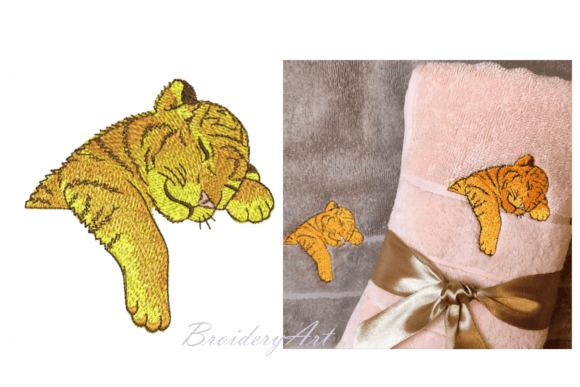
When I first looked at the Tiger Cub, my immediate reaction was one of warmth. The description promises "adorable embroidery" intended to make things original. In the world of handmade goods, originality is currency. This design feels soft, playful, and distinctly modern without losing its rustic charm. It strikes a balance between bold enough to catch an eye from across a crowded aisle and delicate enough to feel premium rather than mass-produced.
For a craft fair product, mood matters. Customers are looking for items that evoke emotion, and a baby animal motif like the Tiger Cub taps directly into that desire for comfort and joy. It is not just a graphic; it is a feeling. Whether you are selling to parents looking for nursery decor or adults who want a touch of whimsy in their kitchen, this design has the visual appeal to stop a shopper in their tracks. It fits perfectly into the current trend of farmhouse aesthetics mixed with modern cuteness.
Where Tiger Cub Shines on Product Lines
To maximize sales, you need to know where your embroidery file performs best. Based on my experience with similar designs, the Tiger Cub is incredibly versatile. It is not limited to just one type of item. Here is how I see it performing across various handmade categories:
- Tote Bag Design: A tote bag is a classic craft fair staple. The Tiger Cub works beautifully as a focal point on a canvas tote. It adds personality to a functional item, making it a perfect gift for teachers, new moms, or book lovers.
- Apron Embroidery: For the home cook or the artisan baker, an apron featuring this cub can elevate a simple kitchen tool into a statement piece. The design likely reads well on the chest area of an apron, drawing attention to the wearer.
- Tea Towel Embroidery: The prompt mentions decorating towels, and this is a high-demand category. A small, centered Tiger Cub on a linen tea towel looks elegant and cozy. It photographs exceptionally well for online listings.
- Embroidered Patch: If you offer iron-on patches, this design could be a hit for kids' backpacks or denim jackets. The "baby animal" theme ensures broad appeal.
- Fabric Pouches and Pillow Covers: These are excellent low-cost entry points for customers. A small pouch with the cub makes a great keychain or cosmetic bag, while a pillow cover offers a larger canvas for the design to breathe.
- Caps and Small Pouches: For smaller items, the design needs to be scaled appropriately. The Tiger Cub's clean lines should translate well to curved surfaces like caps, provided the stitch density is managed correctly.
Production Reality: What Sells and Why
When evaluating a design for batch production, I look for repeatability and clarity. The Tiger Cub seems designed to be understood at a glance. At a craft fair, you have seconds to grab a customer's attention. A design that is too complex or cluttered gets lost. This cub appears to have enough definition to stand out but enough simplicity to remain legible even from a distance.
For an Etsy seller or a boutique maker, the ability to photograph the finished product effectively is crucial. The Tiger Cub, with its likely vibrant thread colors against neutral fabrics, will create high-contrast images that pop on social media feeds. This visual strength translates directly to click-through rates and sales.
Furthermore, this design feels repeatable. You can easily create variations by changing the thread colors or the background fabric color. One mother might buy a white towel with orange threads, while another prefers a navy tote with golden threads. This flexibility allows you to build a cohesive brand collection around the Tiger Cub without needing entirely new designs for every SKU.
Practical Selling and Production Points
Before you commit to a full run of inventory, consider the technical aspects of the digital embroidery file. Is it dense? Does it work as a small accent or a large focal design? The description suggests it is meant for towels and blankets, implying it may handle medium-to-large scales well. However, if you plan to use it on a small patch or a cap, you must test the scale carefully. Designs that lose clarity at smaller sizes will result in unhappy customers and returns.
When setting up your booth display, think about how the Tiger Cub interacts with the environment. On a textured towel, the stitches should provide a nice tactile contrast. On smooth fabric, it might blend in more subtly. You want the finished product to feel handmade and high-quality, not cheap or rushed. The right presentation can double the perceived value of your item.
Crucial Use Notes and Technical Checks
Even the most adorable design can fail if the execution is poor. As a professional, I advise caution with specific areas. Dense stitch areas can sometimes cause puckering on thin fabrics, so always check the stitch density before mass production. Tiny details might get lost if you are using thick fabric or textured towels where the needle cannot penetrate cleanly.
If you are embroidering on dark fabric, ensure the thread colors provide enough contrast. A light-colored tiger cub on black might disappear unless you use a heavy underlay or specific bright threads. Additionally, curved surfaces like caps require careful hooping and stabilizer choices to prevent distortion. If the design includes any lettering, verify that it remains readable at the intended size. Ambiguous text is a common pitfall in commercial embroidery.
Designer's Checklist for Success
To ensure your commercial embroidery venture with the Tiger Cub is successful, follow these essential steps before hitting the market:
- Test on Scrap Fabric: Never go straight to your final product. Test the design on scraps of the actual fabric you intend to sell to check for puckering or tension issues.
- Check Thread Contrast: Ensure the thread colors chosen make the design pop against your specific fabric choices.
- Review Spacing and Hoop Size: Confirm that the hoop size accommodates the design comfortably without cutting off edges or causing alignment errors.
- Inspect Stitch Density: Look closely at the stitches. Are they too tight? Too loose? Adjust the settings to match the fabric weight.
- Use the Right Stabilizer: The stability of the final product depends heavily on the correct stabilizer choice. Heavyweight towels need different support than lightweight cotton.
- Create Real Mockups: Do not rely solely on digital mockups. Create at least one real sample to photograph and display. The texture of real embroidery sells better than any image.
- Compare Fabric Colors: Test the design on multiple fabric colors to see which ones bring out the best version of the Tiger Cub.
- Confirm Licensing: Before selling finished products, verify the commercial licensing terms of the design assets to protect your business.
The Tiger Cub has the potential to be a standout piece in your small shop product lineup. It combines the universal appeal of baby animals with the versatility needed for a wide range of crafts. By paying attention to the details of production and presentation, you can turn this simple design into a bestseller for your next craft fair or online store. Remember, the magic isn't just in the digitization; it is in the care you put into the final finished product.